
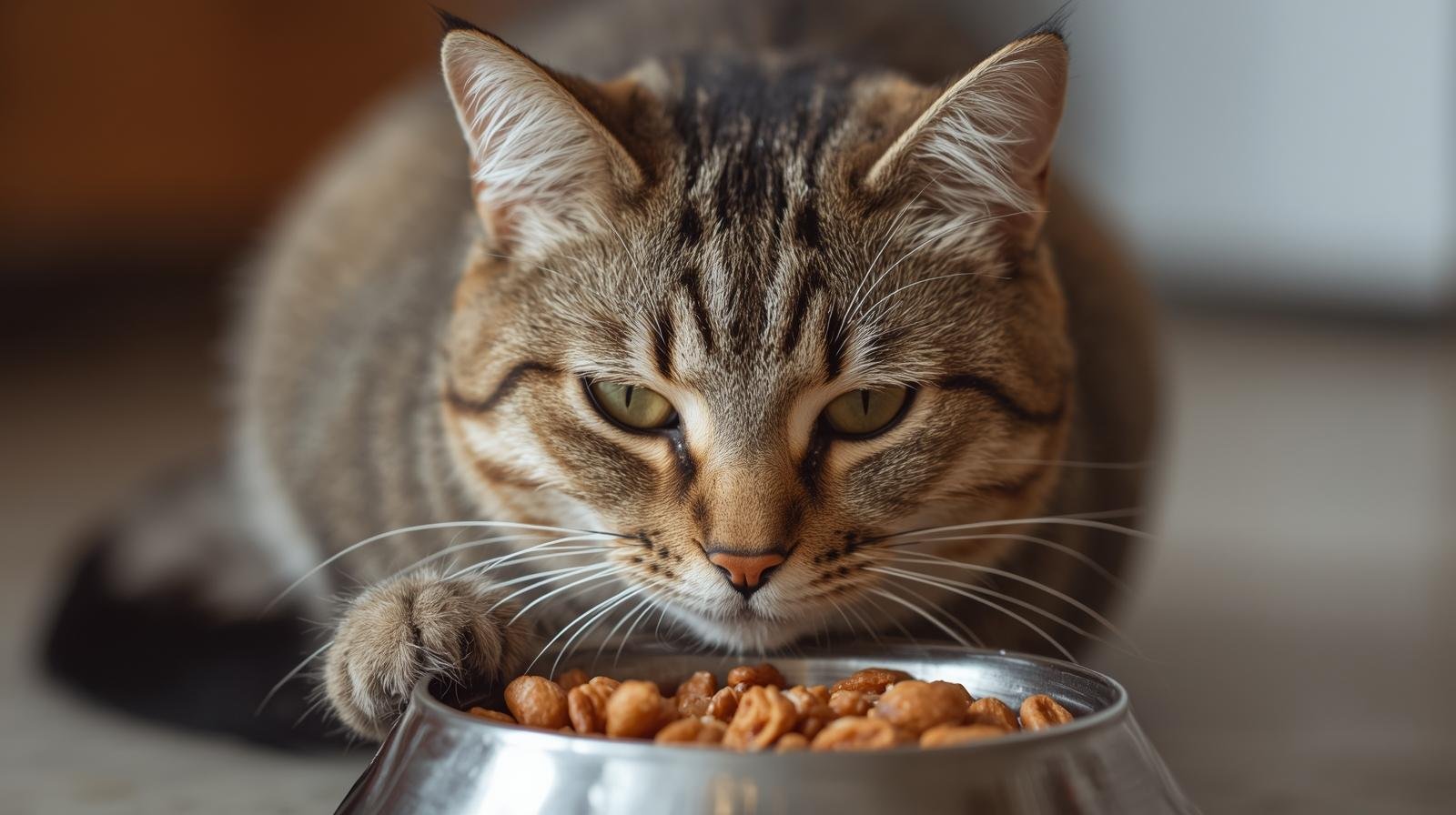
Cats don’t just “eat when they’re hungry”—they eat based on habit, household rhythms, food availability, stress levels, and (let’s be honest) their talent for training humans. The good news: when you set a thoughtful cat feeding schedule, you’ll often see better digestion, calmer mealtimes, fewer “hangry” behaviors, and easier weight management.
One fascinating detail from feline behavior research: many cats are still free-fed (food left out all day) or fed twice daily, and free-feeding is reported more often in cats with obesity. That alone is a big reason pet lovers and pet owners search for terms like “cat feeding routine,” “portion control for cats,” and “best time to feed cats.”
This guide walks you through creating a realistic, healthy cat meal plan—whether you’re feeding a kitten, an adult indoor cat, a senior cat, or multiple cats with different needs.
Why a cat feeding schedule matters
A “perfect” schedule isn’t about forcing your cat into a rigid routine that doesn’t fit real life. It’s about consistency, visibility, and control—three things that help your cat (and you) succeed.
A regular feeding routine can make your day feel smoother, but it also has real benefits for your cat:
A predictable schedule supports routine and makes it easier to notice appetite changes. When cats eat on a regular schedule, it’s easier to see if a meal wasn’t finished—which can be an early warning that something is off and worth a veterinary check.
From a digestion and timing perspective, veterinary guidance notes that once a cat’s stomach empties (within a few hours after a meal), an empty stomach can begin sending hunger signals after roughly 8–10 hours—one reason feeding at least two meals daily is often recommended for adult cats.
From a “real-life pet parent” perspective, a schedule is also how you prevent the sneakiest calorie creep: extra “just a little” handful of kibble, inconsistent treats, and multiple family members feeding duplicates. The World Small Animal Veterinary Association nutritional assessment framework specifically emphasizes that feeding management (including frequency, timing, and method) is part of assessing and protecting a pet’s health.
How cats naturally prefer to eat
If you’ve ever wondered, “Do cats need meals at specific intervals?”—it helps to start with how cats are wired.
The American Association of Feline Practitioners feeding consensus statement explains that cats are solitary predators and generally prefer to eat often and alone; the statement also highlights that typical modern feeding (one or two large meals at a single station, or ad lib feeding without thought) may clash with natural behavior and contribute to inactivity, stress, overeating, and obesity risk.
Research on feeding rhythms in indoor cats supports this “little and often” pattern. A 2022 open-access study monitoring indoor cats across seasons found bimodal feeding and activity patterns, including feeding peaks around twilight, reinforcing the species’ crepuscular tendencies. Another study of in-home aging cats (published in late 2025) found cats ate multiple small meals across 24 hours, clustered around dusk and dawn.
What this means for your home feeding plan:
- Multiple small meals (or a schedule that imitates them) tends to match what many cats prefer.
- Quiet, safe eating spots aren’t a luxury—many cats eat better and feel safer when they’re not startled or crowded.
- In multi-cat homes, feeding too close together can intensify tension even when cats aren’t obviously “fighting.” The consensus statement specifically recommends multiple, visually separated feeding stations and feeding where cats feel safe.
So yes—cats can eat on a fixed schedule, but the best schedules usually respect feline instincts: small meals, predictable timing, and low-stress access.
How often should I feed my cat?

This is the most searched question for a reason. Your cat’s ideal cat food frequency depends on age, health, lifestyle, and—importantly—how well they self-regulate.
A common baseline recommendation is at least two meals per day for adult cats. But many cats do well with three to four smaller meals, especially if they beg between meals, eat small amounts per sitting, or you’re managing weight.
Here are well-supported starting points by life stage:
Kitten feeding schedule
Kittens need more calories per pound to support growth, and their schedules usually require more frequent meals.
- Until about six months: many kittens do best with three meals daily.
- From six months to one year: twice daily feeding is commonly recommended.
The American Animal Hospital Association life stage resources add helpful context: energy needs are extremely high in early kittenhood (for example, one AAHA resource notes about 200 kcal/kg/day at ~10 weeks vs ~80 kcal/kg/day at ~10 months), which is one reason kittens need structured, adequate intake rather than “guesswork feeding.”
Also worth noting: veterinary guidance cautions that ad lib (“free choice”) feeding for kittens isn’t generally recommended, because it can contribute to juvenile obesity and binge-eating patterns.
Adult cat feeding schedule
For adult cats (around one year and up), feeding once or twice daily can be appropriate in many cases, and twice daily is a common “most practical + cat-friendly” routine.
Can I feed my cat once a day?
Sometimes, yes. Some cats do fine on one meal daily—especially if that meal is appropriately portioned and your cat isn’t prone to vomiting, begging, or stress eating. But research suggests feeding frequency can change hormone patterns and activity. In a controlled study, cats fed four times daily showed higher daytime activity than cats fed once daily, while the once-daily fed cats showed different post-meal hormone responses (the study did not claim “one is universally best,” but it highlights that feeding frequency changes physiology and behavior).
A practical compromise many pet lovers land on: two main meals (morning + evening) plus one small mid-day meal via a timed feeder or puzzle feeder.
Senior cat feeding routine
A useful guideline from Cornell University College of Veterinary Medicine is that senior cats (often defined as ~10+ years in that resource) may continue the same feeding regimen unless a veterinarian instructs otherwise.
That said, aging cats can have shifting needs: dental discomfort, reduced smell, or medical conditions may make smaller, more frequent meals easier. The in-home aging cat study described earlier found older cats naturally ate multiple small meals and had feeding peaks around dawn and dusk.
Starter feeding chart by age and life stage
| Life stage | How often to feed (typical starting point) | Notes for your cat feeding routine |
|---|---|---|
| Kittens (to ~6 months) | 3 meals/day | Smaller stomachs + growth needs; avoid “all-you-can-eat” patterns. |
| 6 months to 1 year | 2 meals/day | Many kittens transition well here. |
| Adults (~1+ year) | 2 meals/day (sometimes 1–4) | At least two meals often recommended; add a small meal if begging or weight goals require. |
| Seniors | Often same as adult unless guided otherwise | Consider smaller, more frequent meals if appetite or comfort changes. |
How much to feed your cat daily
A feeding schedule only works if the portions match your cat’s real calorie needs. This is where many loving, attentive pet parents accidentally overfeed—especially with calorie-dense kibble, treats, and “just a bit extra.”
Start with calorie math, then turn it into portions
A common veterinary approach starts with estimating Resting Energy Requirement (RER), then multiplying by a life-stage factor to get Maintenance Energy Requirement (MER). The MSD Veterinary Manual outlines two commonly used RER formulas:
- RER = 70 × (body weight in kg)^0.75 (usable across weights)
- RER = 30 × (body weight in kg) + 70 (generally restricted to 2–45 kg)
That same source provides example MER multipliers for cats (e.g., intact vs neutered vs obesity-prone vs kittens), and emphasizes that these are starting points—individual cats may need meaningful adjustments.
Once you have a daily calorie target, you convert calories into food amounts by reading the kcal per cup or kcal per can. A practical veterinary nursing guide explains this same process and stresses being specific with “per day” and “per meal” instructions.
Treats and extras: the silent schedule breaker
If your cat’s schedule feels “perfect” but weight keeps creeping up, treats are often the culprit. The WSAVA nutritional assessment guidelines flag treats/table food making up more than 10% of calories as a nutrition risk factor. A veterinary nursing nutrition guide similarly recommends treats stay at or below about 10% of daily calories.
Portion control: measure like it matters (because it does)
If you’re using a measuring cup and still seeing inconsistent results, you are not alone. The AAFP feeding consensus statement notes that veterinarians may recommend measuring portions using a digital gram kitchen scale, and it cites research that some owners are inaccurate when measuring with cups.
A “pet supplies” shortlist that genuinely helps portion control:
- Digital kitchen scale (grams)
- Consistent scoop only if you’ve verified its measured weight for your food
- Airtight storage container to keep dry food fresher
- Puzzle feeders or slow feeder bowls for cats who inhale meals
Weight management reality check
If you’re building a schedule to prevent obesity, you’re in good company. Owner recognition of overweight is improving, and one large annual pet obesity survey reported that 33% of cat owners categorized their cats as overweight or having obesity in 2024.
Meanwhile, clinical studies using trained assessment show overweight rates can be high. A cross-sectional study found overweight prevalence of 45% in a cohort assessed by trained personnel, and overweight cats were more likely to have diagnoses including diabetes mellitus and feline lower urinary tract disease, among others. And newer household survey data (2026) underscores that owners frequently underestimate overweight/obesity categories, reinforcing why objective monitoring helps.
Wet vs dry food feeding schedule
“Wet vs dry” isn’t just a brand debate—it changes how you schedule meals, manage spoilage, and support hydration.
Hydration and urinary health: why food format matters
Cats don’t always compensate by drinking enough water—one reason veterinary nutrition references emphasize providing clean, fresh water at all times and even using multiple water sources to encourage intake.
Food moisture varies a lot. The MSD Veterinary Manual notes canned foods can contain roughly 60% to >87% moisture, while dry foods may be around 3%–11% water—so cats eating canned food often drink less water than cats eating dry diets, because they’re getting water from the food itself.
Controlled research shows moisture impacts urine metrics. A study comparing wet vs dry diets reported urine volume was highest with wet diets and lowest with dry diets, with corresponding differences in urine specific gravity.
Practical scheduling differences
If you feed wet food:
Wet food can spoil and dry out faster. Many pet food manufacturers and veterinary sources recommend discarding wet food left out at room temperature after about 1–2 hours (or feeding smaller portions more frequently).
If you feed dry food:
Dry food is often easier for timed feeders and puzzle feeders. Some manufacturer guidance suggests dry food can be left out longer if kept cool, dry, and uncontaminated, but still recommends washing bowls and refilling fresh daily.
If you feed a mix:
Many cat owners use a hybrid: wet meals morning/evening + measured “mini-meals” of dry food during the day through a feeder. This approach can support hydration while also satisfying “multiple small meals” behavior.
“Complete and balanced”: your schedule needs nutrition that holds up
Whatever your wet/dry choice, prioritize diets that are nutritionally appropriate for the life stage. The U.S. Food and Drug Administration explains that when a pet food is labeled “complete and balanced,” it’s intended to be fed as the pet’s sole diet and should be nutritionally balanced, while treats/supplements typically are not.
The Association of American Feed Control Officials also provides consumer guidance on reading pet food labels and nutritional adequacy statements.
How to create a cat feeding timetable that actually works
Now for the heart of it: building an ideal feeding schedule for cats that’s personalized, realistic, and sustainable.
Step one: pick your meal frequency
Use your life stage baseline (kitten vs adult vs senior), then adjust based on your cat’s behavior:
- Begging between meals → consider 3–4 smaller meals (or a feeder “snack”)
- Fast eating / vomiting after meals → smaller portions, slower feeders, more separation (also rule out medical issues)
- Overweight cat diet plan → meal feeding with measured portions is often easier to control than free feeding
The WSAVA nutritional assessment approach emphasizes feeding method and management as part of preventing over- or underfeeding problems.
Step two: choose “anchor times” you can keep
A simple (and effective) pattern is:
- Morning meal
- Evening meal
- Optional mid-day mini-meal (timed feeder)
This naturally creates a consistent “time gap between cat meals,” often roughly 10–12 hours between the two main meals. That timing also fits with veterinary discussion of hunger signals after extended fasting.
If you want to align with your cat’s natural rhythm, research supports feeding peaks around dawn and dusk in domestic cats.
Step three: turn calories into “per meal” portions
Once you know your daily calories and how many meals you’re feeding, divide the food into equal parts—then adjust based on results.
If you’re feeding wet + dry:
- Convert both into calories per day
- Split calories across meals, not just volume
- Weigh portions when possible
Step four: build the environment (especially for multi-cat homes)
This is the part people skip, but cats feel it immediately.
The AAFP feeding consensus statement recommends multiple feeding stations and visual separation in multi-cat households, warns against forcing a cat to eat near a cat they avoid, and advises feeding away from litter boxes.
If you have multiple cats on different diets or speeds, consider:
- Separate rooms or separated stations
- Timed feeders, including microchip feeders for individual access
Step five: add enrichment so meals don’t become “the only hobby”
The consensus statement’s goal is to mimic natural feeding behavior. It recommends splitting daily food into multiple small meals through the day and using puzzle feeders when possible; it also notes automatic feeders can help (though they don’t fully satisfy foraging/predation needs).
Sample feeding schedules you can copy today
Option A: Two-meal adult cat feeding schedule (simple and common)
- 7:00 AM — breakfast (50% of daily calories)
- 7:00 PM — dinner (50% of daily calories)
Option B: Three-meal schedule (great for indoor cats, begging, or portion control)
- 7:00 AM — breakfast (40%)
- 1:00 PM — mini-meal (20%, feeder or puzzle)
- 7:00 PM — dinner (40%)
Option C: Four-meal schedule (useful for small appetites, seniors, or “snackers”)
- 7:00 AM — 25%
- 11:30 AM — 25%
- 4:00 PM — 25%
- 9:00 PM — 25%
Multiple small meals align well with consensus feeding guidance meant to mimic normal feline feeding behavior.
Troubleshooting: picky cats, nighttime feeding, vomiting, and special health needs
Even the best schedule needs real-world adjustments. Here are common issues and schedule-friendly solutions.
Preventing hunger-related behavior and constant begging
If your cat screams an hour before dinner every day, it doesn’t automatically mean they need more food—it often means they’ve learned a powerful habit loop.
Try:
- Add a small timed “mini-meal” earlier in the day
- Increase enrichment via puzzle feeders or forage feeding
- Make sure total calories are appropriate and measured
Preventing vomiting through regular feeding
The AAFP consensus statement describes how stress and competition can cause gorging and subsequent vomiting in some cats, and it recommends feeding strategies (including separation and multiple meals) to reduce stress-related problems.
If vomiting is frequent, persistent, or paired with weight loss, appetite loss, or lethargy, it deserves veterinary evaluation. Appetite changes are meaningful data when you’re on a schedule.
Feeding cats at night
A “nighttime cat feeding routine” can be helpful for early-morning wakeups. Many pet parents solve the 4:30 AM wake-up yowl with:
- A timed feeder portion set for early morning
- A later, smaller bedtime meal (if it fits daily calories)
Cats naturally show feeding peaks around dusk and dawn, so a schedule that includes an evening meal plus a dawn-timed feeder isn’t “weird”—it can be biologically sensible.
Special health situations
Diabetes:
Feeding schedule becomes medical. Vetsulin guidance emphasizes consistent meal timing and often aligning feeding with insulin dosing at roughly 12-hour intervals for twice-daily insulin protocols. Follow your veterinarian’s exact plan.
Chronic kidney disease, dental disease, or other medical diets:
Cornell notes that diabetic cats may benefit from diet modification and that cats with dental disease may struggle with dry food, making wet food or modified texture helpful.
After surgery or recovery:
Many cats do better with calm, accessible feeding setups and smaller, easier meals—especially if appetite is reduced. In fragile or special-needs cats, guidance from feline care guidelines stresses predictable environments and comfortable access to resources, with feeding separated by visual barriers when needed.
If your cat stops eating:
This is not a “wait and see for a week” situation. Cornell explains that inadequate intake and illness can be linked to serious outcomes (including hepatic lipidosis risk in certain contexts).
Conclusion
A perfect feeding schedule isn’t one magical timetable—it’s a system that matches your cat’s biology, your household reality, and your cat’s health goals.
The most reliable formula looks like this:
- Choose an age-appropriate meal frequency (kitten vs adult vs senior).
- Set consistent meal times (often morning + evening, with optional mini-meals).
- Measure portions based on calories, not vibes (and keep treats under control).
- Reduce stress with safe feeding locations, especially in multi-cat households.
- Adjust based on body condition, appetite, and behavior—because your cat is an individual.
If you try a new feeding routine this week, share what schedule you chose (two meals, three meals, timed feeder, puzzle feeding) and what changed—begging, weight, mood, or morning wakeups. Consistency is powerful, and pet lovers learn best from real households.